
Activate This Proven Local SEO Formula – Start Getting More Leads & Sales in Days, Not Months
Turn The Volume Up & Watch The Video
Traditional SEO is slow, expensive, and full of long-term contracts, and for most small businesses, it rarely delivers what’s promised.
So instead of selling another ongoing SEO package, we built a simple local SEO formula that focuses on what actually moves the needle.
We create single-page local websites designed to rank for one service in one location, then use them to send ready-to-buy customers straight to your main site.
You own every page we build. No contracts. No ongoing fees.
You choose how many pages and links you want (1, 3, 5, or 10), keep them forever, and test the entire setup for 90 days.
And because we know it works, if you don’t see an improvement in rankings or leads during that time, we’ll refund you in full and you still get to keep the assets.
(Because I Know It Will Get Me More Leads & Sales)
Results We've Achieved:
Here's just some of the results we've got our clients over the past few months:
Top of page 1 organic
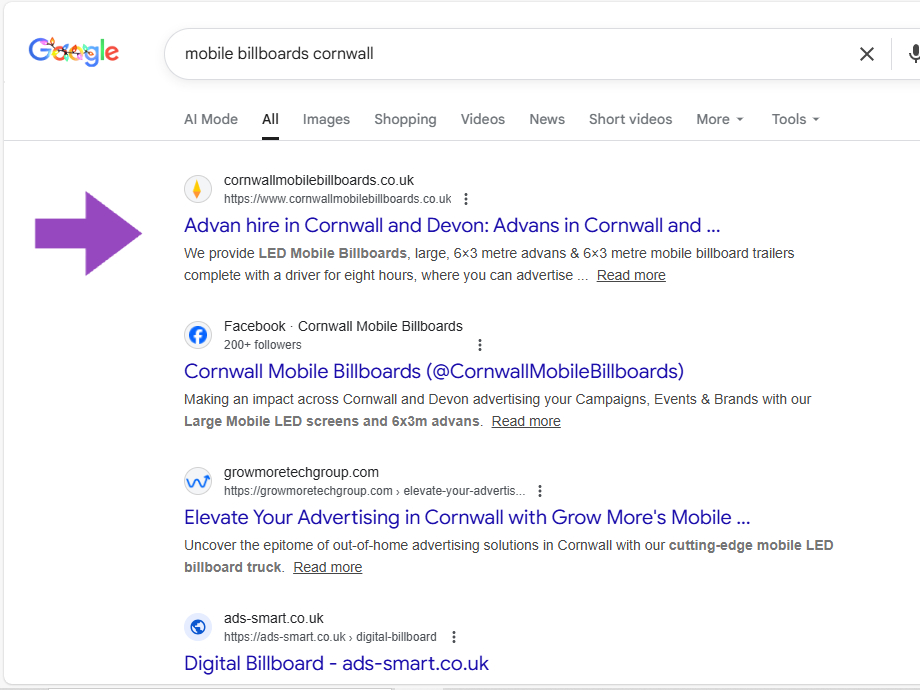
“We started seeing movement within weeks, and before long we were consistently ranking top of page 1 on Google for our main services. This has genuinely transformed our enquiries. We're busier than ever!” - Ian Cousens, CMB
Top of page 1 organic and map listings
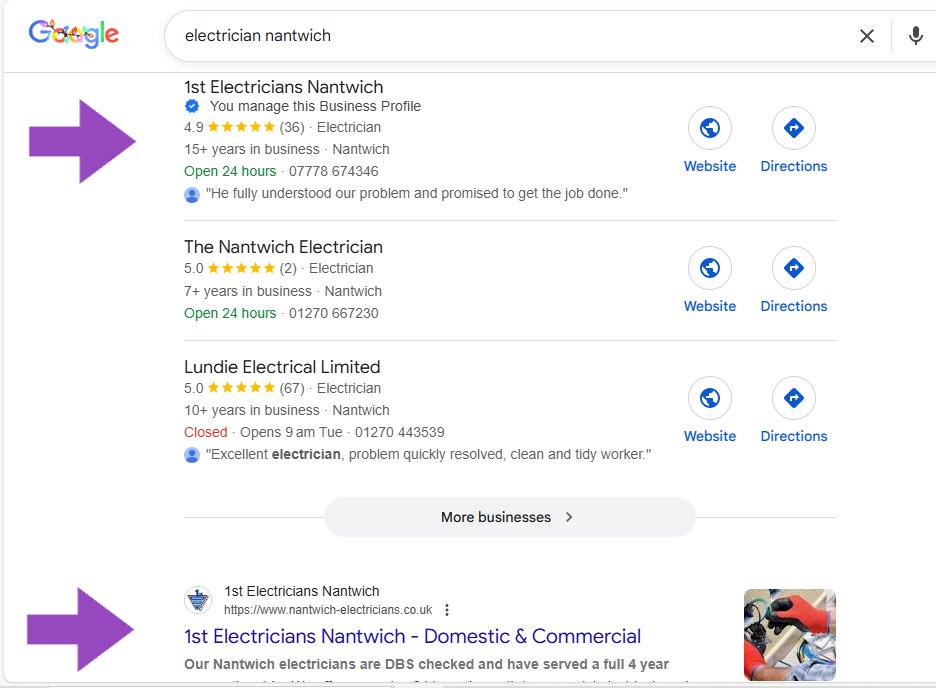
“Not only did our website climb to the top of the organic results, but we also began appearing in the map pack. That double visibility has driven a huge uplift in calls and footfall.” - Rob, 1st Electricians
Top of page 1 organic
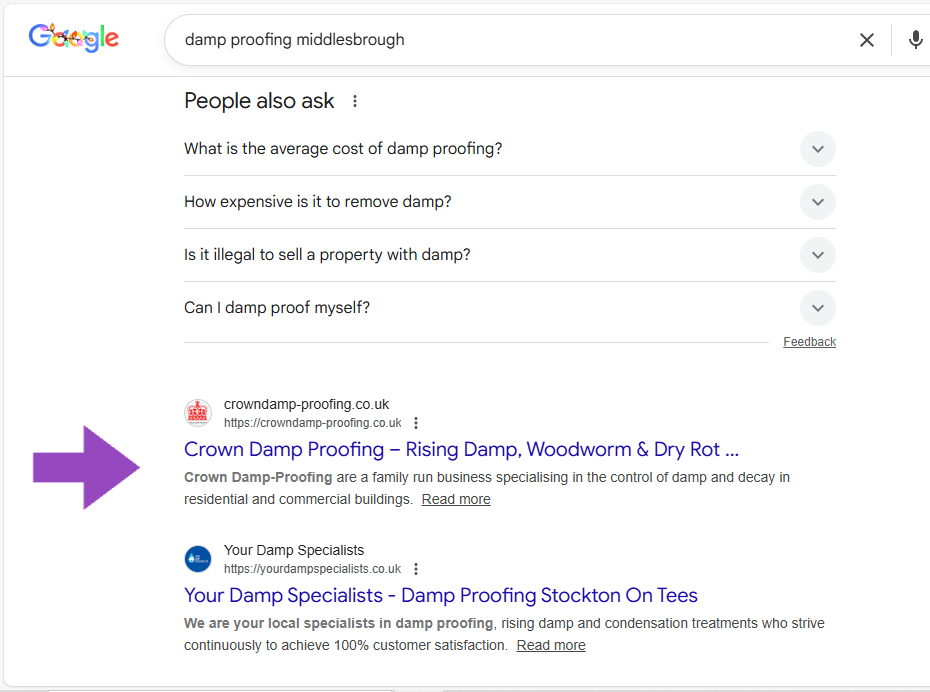
“Our local SEO was stagnant for years, but Locally Relevant got us to the very top of page 1. We’ve seen a real difference in quality leads and bookings.” - Dave Holdsworth, CDP
2nd on page 1 organic & top of maps
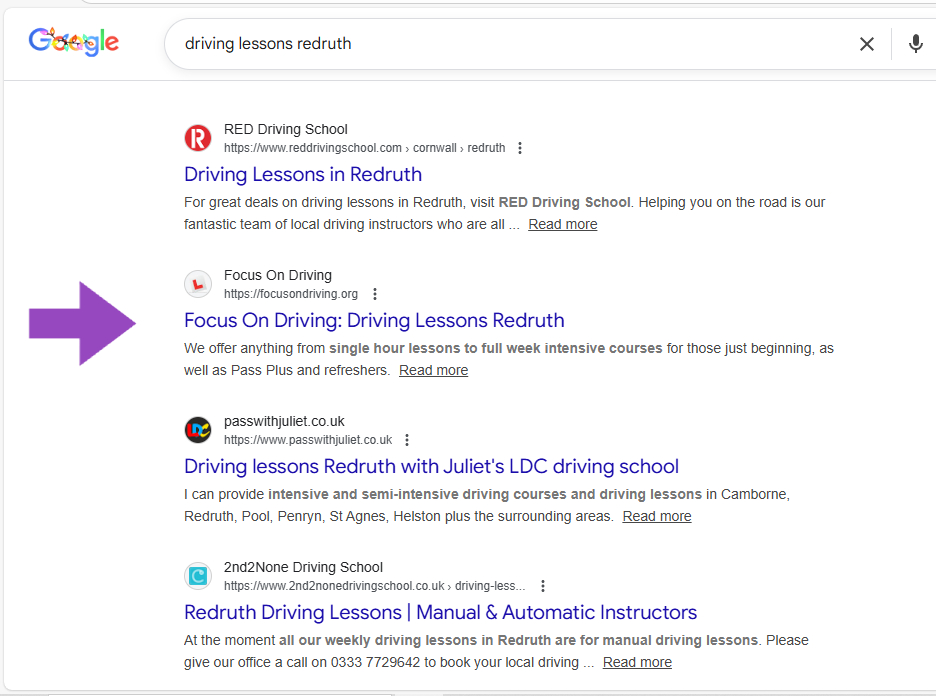
“Ranking second organically and first in map results has made a massive difference. Local customers find us instantly now, It’s like we’ve become the default choice in our area.” - Pete, Focus On Driving
1st on page 1 organic & right sidebar
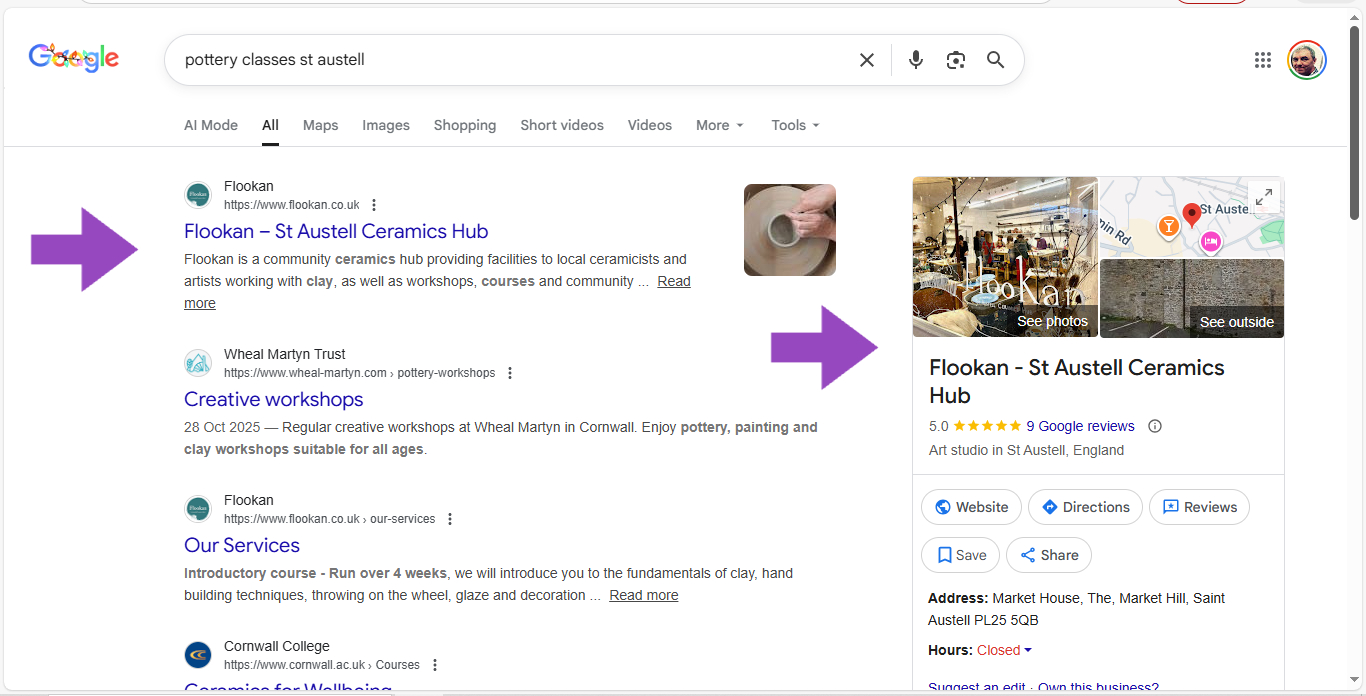
“Seeing our business feature both at the top of search and in the sidebar has boosted our credibility so much. We’ve had more sales in the last three months than in the last three years!” - Zenna Tagney, Flookan Ceramics
1st & 2nd page 1 organic
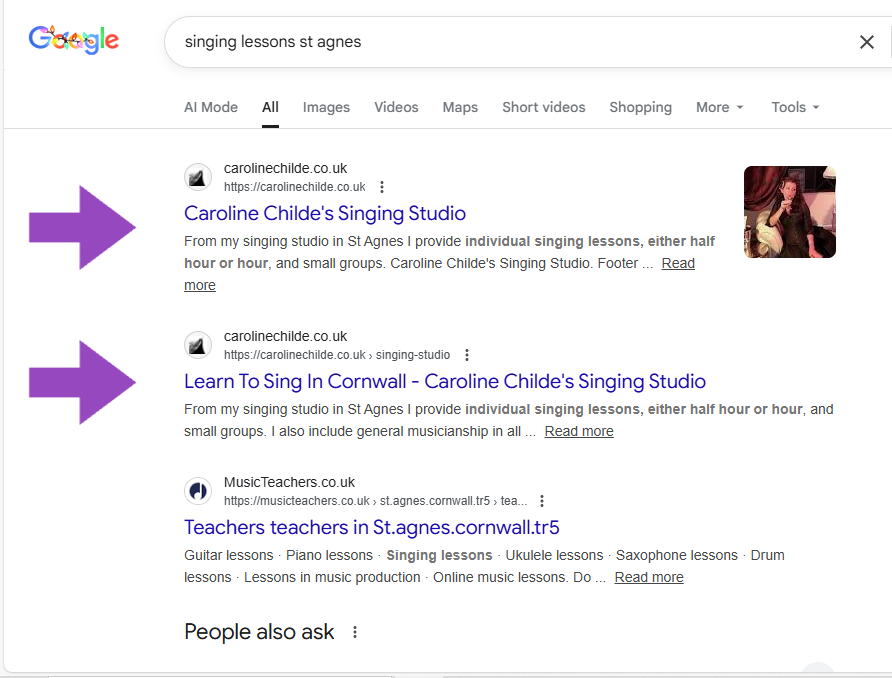
“Domination of the first page was exactly what we needed. Having multiple listings at the top gives us so much more visibility than our competitors and enquiries have soared.” - Caroline Childe, Singing Coach
4th on page 1 organic
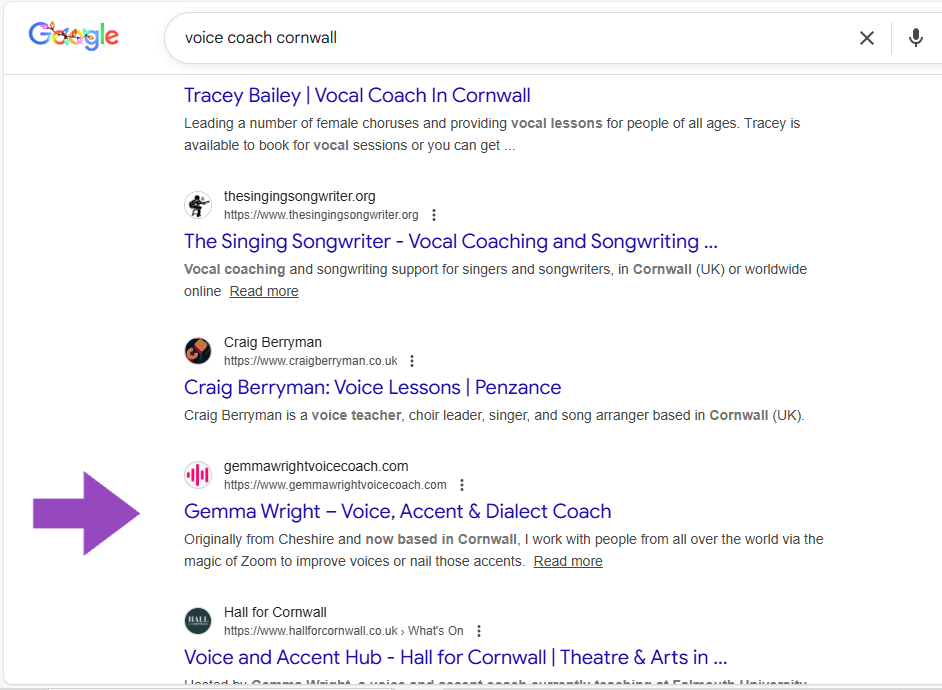
“I was struggling to get any local traction, but thanks to this strategy we’re now ranking on page 1 and seeing a clear lift in incoming business.” - Gemma Wright, Voice Coach
2nd in maps, 1st on page 1 organic
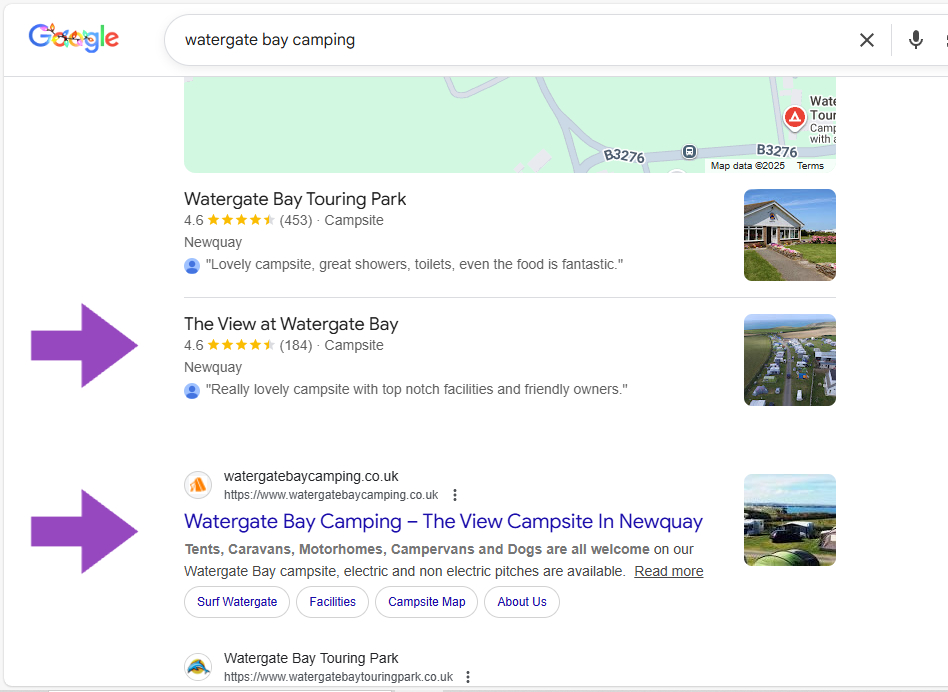
“This combined ranking has made such a positive impact. Lots more phone calls and website bookings from genuine customers. Can’t recommend them enough.” - Mark, The View Campsite, Newquay
We Don't Just Measure Success By Higher Rankings, We Also Measure Success By How Many Leads & Sales You Get...
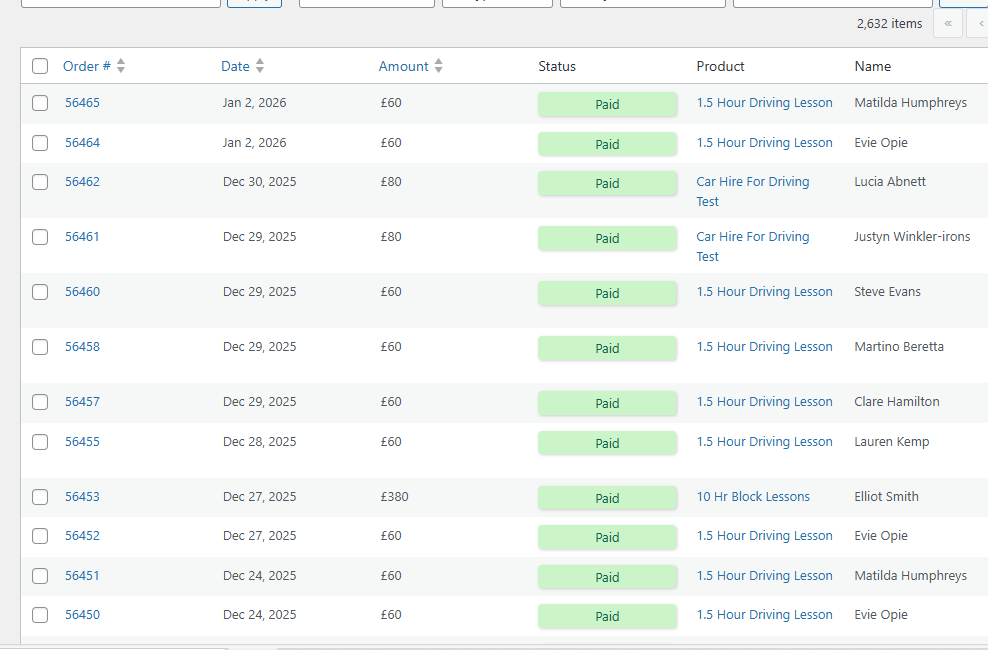
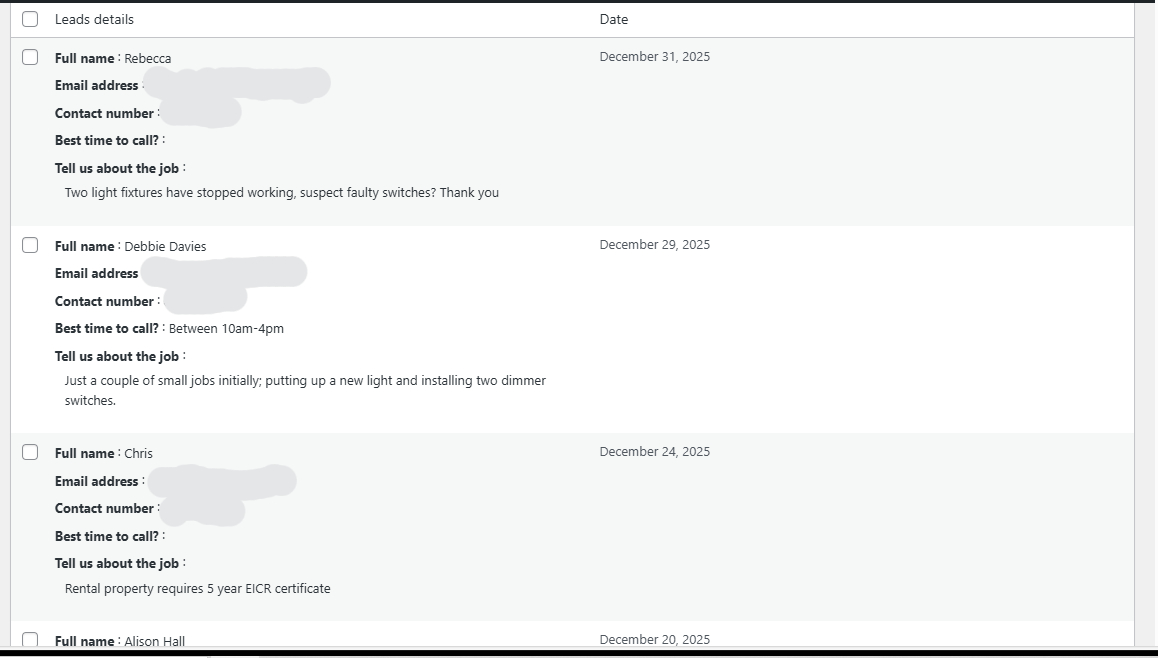
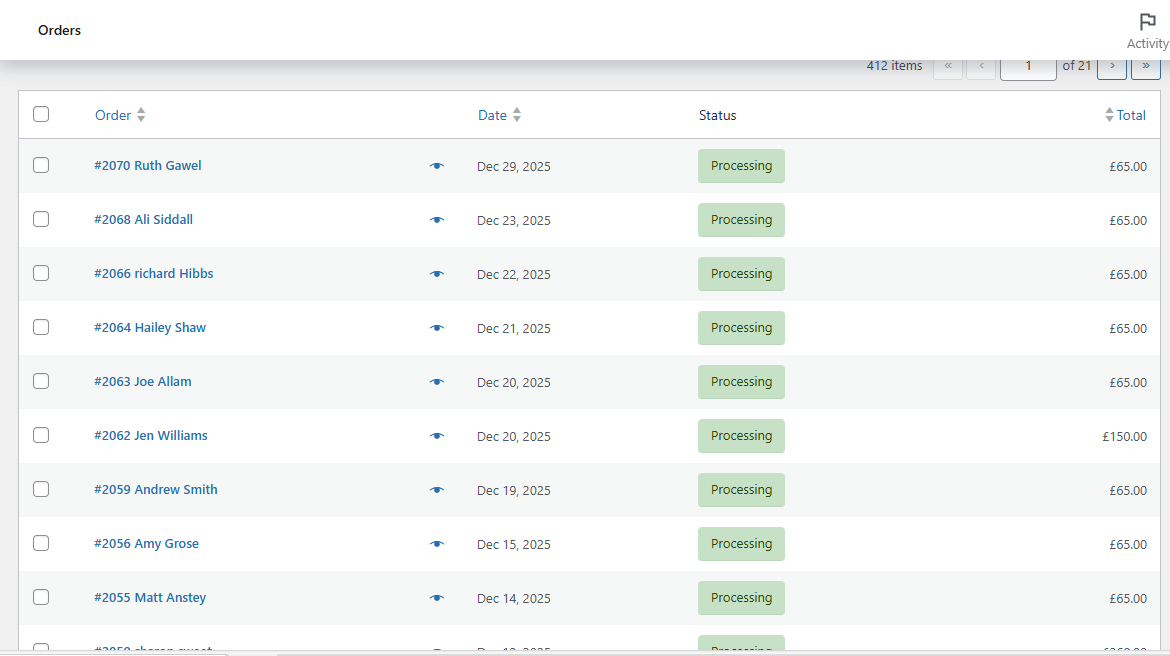
Most local SEO services follow the same outdated playbook: monthly fees, vague promises and slow progress.
Your site gets “worked on” behind the scenes while you wait months to see if anything actually changes and when you stop paying, whatever progress there was usually stops too.
That’s why so many local businesses feel burned by SEO.
This works differently.
Our approach is asset-based, not contract-based.
Instead of trying to force one website to rank for everything, we build focused local SEO assets each one targeting a single service in a single location.
You own these pages outright.
They sit quietly in the background, sending qualified local traffic to your main site and strengthening it at the same time.
And in 2026, this matters more than ever.
Google is moving away from generic SEO tricks and placing more weight on local relevance, topical focus, and real-world authority.
In simple terms, Google wants to see businesses supported by relevant local pages and links that actually make sense for their service and location, not vague content and random backlinks.
That’s where industry-relevant local links come in.
When your SEO assets are backed by locally and industry-appropriate links, it sends a clear signal to Google that your business is real, trusted, and established in your area.
This is exactly the type of structure Google is rewarding more aggressively in local search.
There’s also a timing advantage most businesses miss.
Local, keyword rich service and location opportunities are limited real estate.
Once competitors lock them up, they’re gone and catching up later becomes slower and more expensive.
The businesses that act early build a defensive moat, making it harder for competitors to displace them over time.
Most businesses won’t move until it’s obvious and by then, it’s usually too late.
That’s why this isn’t just an SEO upgrade... It’s a land-grab.
The sooner you secure your local SEO assets, the more territory you control in your market before everyone else realises what’s working.
(Before My Competitor Takes All The Best Keywords)
Frequently Asked Questions:
Have a read through our FAQ if you're unsure what you get with this service. If you still have questions, then please fill in our contact form.
What are locations and assets?
Locations are towns and cities that you want your main business to rank for. For instance, Birmingham, Stoke, Richmond etc. Assets are simply the 1 page SEO optimised websites that we build on those location pages. These are built on the exact match keyword domains we purchase on your behalf. (such as www.electriciancrewe.co.uk).They belong to you, we simply manage them.
What exactly am I getting?
You’re getting SEO-optimised, single-page local websites (assets) designed to rank for one specific service in one specific location, plus a a domain name and a link back from that website to your main website. Each page is built to attract local search traffic and generate leads.
Do I need to change my existing website?
No. Your main website stays exactly as it is. These pages work alongside your site, acting as additional local entry points that strengthen your overall online presence.
Who owns the pages and domains?
You do. You own the domains, the pages, and the assets outright. This is not a rental system and there are no ongoing ownership fees.
How is this different from normal local SEO services?
Traditional SEO usually means long contracts, slow progress, and unclear results. Our approach is asset-based and focused. Instead of trying to make one website rank for everything, we build targeted local pages that are easier for Google to understand and faster to perform.
How long does it take to see results?
Many businesses start seeing movement in rankings and traffic within days or weeks, not months. That said, results depend on competition, location, and market, which is why we back this with a 90-day guarantee.
What if I don’t get more leads or better rankings?
If after 90 days there is no increase in rankings or leads, we’ll refund your money in full and you still keep all the SEO assets we built. There’s no risk to you. (It will work though...)
Can my competitors copy this?
They can try, but local, keyword-rich domains and placements are limited. Once you secure them, competitors can’t. Acting early gives you a long-term advantage in your market.
Is this safe and compliant with Google?
Yes. This approach is built around what Google wants to see going into 2026: clear local relevance, focused service pages, and industry-relevant backlinks. There are no shortcuts, spam tactics, or risky methods involved.
How many assets should I start with?
That depends on your goals. 1 asset is great for testing. 3–5 assets help you cover multiple services or locations. 10 assets are ideal for competitive markets and long-term dominance. You can always scale up later.
Is this a one-time cost or ongoing fee?
This is an asset build, not a monthly SEO retainer. There are no long-term contracts, and you keep everything we create for you. There's a monthly fee for our packages that covers management, hosting and the upkeep of your websites.
Who is this best suited for?
This works best for service-based local businesses in competitive areas, especially those who want faster results, full ownership, and a clearer return on investment than traditional SEO offers.